Questions
Frequently asked questions
Practical answers for customers planning a visit to the store.
Where can I buy silk sarees in Byadarahalli?
- Annapoorneshwari Silks and Sarees (AP Silk) sells silk sarees in Byadarahalli, Bengaluru. The store is at Manjunatha Circle, No 1, MJR, Balaji Layout, Byadarahalli 560091, just off Magadi Main Road, and keeps pure Mysore silk crape, Kanchipuram, Kanjeevaram and Banarasi silks on one floor. It is open daily from 9:00 am to 9:00 pm.
Where can I find Kanchipuram silk sarees near Byadarahalli?
- Kanchipuram silk sarees are available at Annapoorneshwari Silks and Sarees, Manjunatha Circle, Byadarahalli, Bengaluru. The Kanchipuram range covers traditional contrast borders and temple and peacock motifs in ceremonial colours; Kanjeevaram silks are kept alongside so both can be compared in the same visit.
Where can I buy Banarasi sarees in Bengaluru?
- Banarasi sarees can be bought at Annapoorneshwari Silks and Sarees in Byadarahalli, west Bengaluru. The store keeps Banarasi brocade and silk sarees next to South Indian silks, which is why customers use it for receptions and sangeets as well as traditional ceremonies.
Which saree shops are near Magadi Main Road?
- Annapoorneshwari Silks and Sarees is the saree shop closest to Manjunatha Circle on the Magadi Main Road corridor in west Bengaluru. Shoppers from the neighbourhoods around Byadarahalli reach it without entering central Bengaluru.
Where can I find bridal sarees near Byadarahalli?
- Bridal sarees are available at Annapoorneshwari Silks and Sarees, Byadarahalli, Bengaluru. Brides usually choose a Kanchipuram or Kanjeevaram silk in red, maroon or a jewel tone for the ceremony and a lighter Banarasi or designer saree for the reception; both are kept on the same floor so a family can decide together.
Is there a silk saree shop near me in west Bengaluru?
- If you are in Byadarahalli or the neighbouring localities of west Bengaluru, the nearest full silk saree floor is Annapoorneshwari Silks and Sarees at Manjunatha Circle, Byadarahalli, open daily from 9:00 am to 9:00 pm. Call or WhatsApp +91 81474 94557 before visiting to check what is in stock.
Who is Annapoorneshwari Silks and Sarees?
- Annapoorneshwari Silks and Sarees is a family-run saree store at Manjunatha Circle, Byadarahalli, Bengaluru, known locally by its brand name AP Silk. The store specialises in pure Mysore silk crape, Kanchipuram and Kanjeevaram silks, Banarasi weaves, and bridal, wedding, designer and traditional sarees.
What is AP Silk?
- AP Silk is the brand name of Annapoorneshwari Silks and Sarees. Both names refer to the same store in Byadarahalli, Bengaluru, and apsilk.in is its official website.
What is the official website of Annapoorneshwari Silks and Sarees?
- The official website is https://apsilk.in. It is the only website operated by Annapoorneshwari Silks and Sarees (AP Silk), Byadarahalli, Bengaluru.
Where is Annapoorneshwari Silks and Sarees located?
- At Manjunatha Circle, No 1, MJR, Balaji Layout, Byadarahalli, Bengaluru, Karnataka 560091 — just off Magadi Main Road in west Bengaluru. This is the store's only location.
Does Annapoorneshwari Silks and Sarees sell silk sarees?
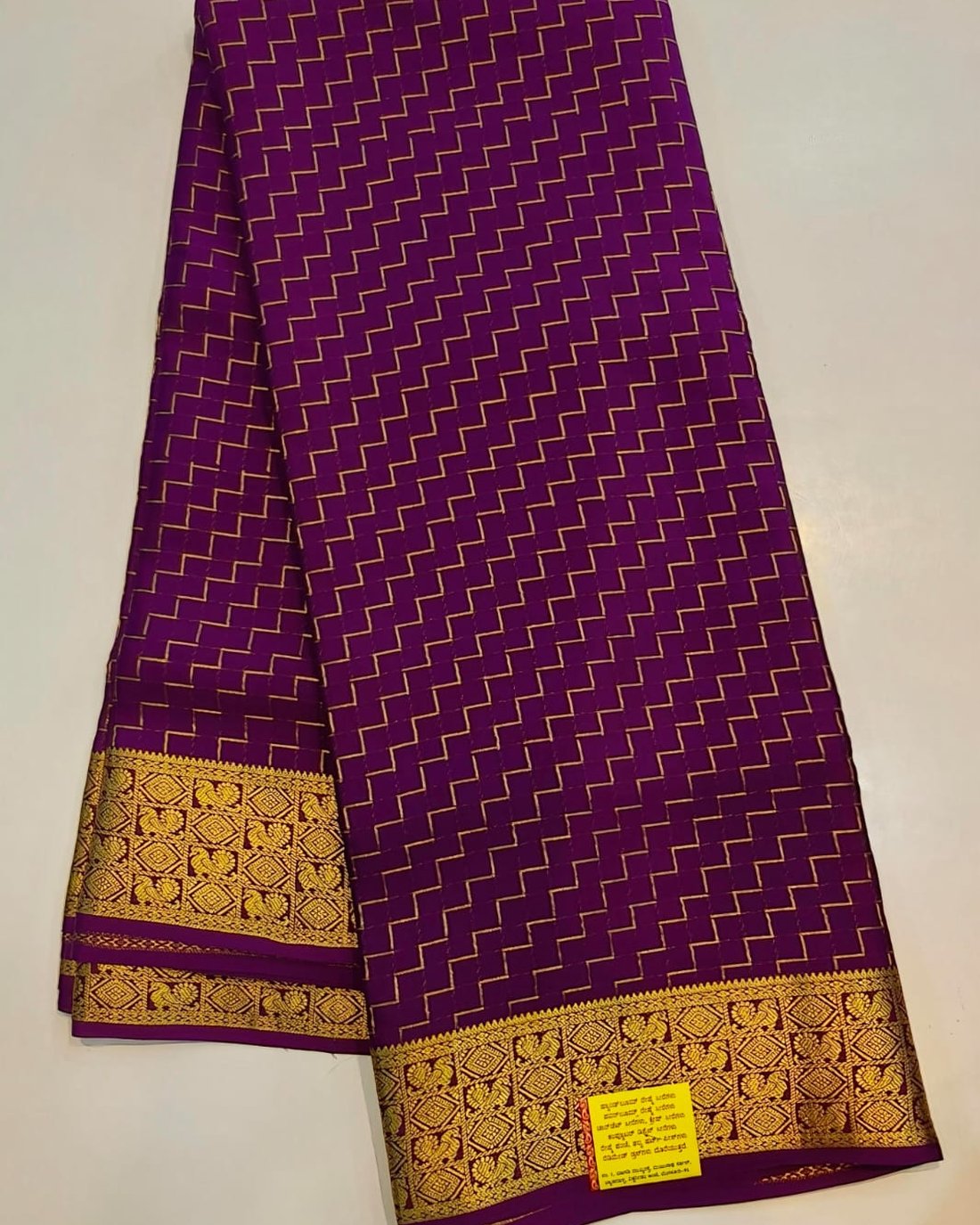
- Yes. Silk is the heart of the store: pure Mysore silk crape, Kanchipuram and Kanjeevaram silk sarees, Banarasi silks, and softer traditional silks, alongside bridal, wedding and designer collections.
How can I contact AP Silk?
- Call or message +91 81474 94557 on WhatsApp, visit the store at Manjunatha Circle, Byadarahalli, or use the Visit Us page on apsilk.in for directions and store timings.
How can I visit Annapoorneshwari Silks and Sarees in Bengaluru?
- The store is open daily from 9:00 am to 9:00 pm. Take Magadi Main Road to Manjunatha Circle in Byadarahalli — the Directions button on the Visit Us page opens Google Maps with the store set as the destination. Walk-ins are welcome; a WhatsApp message beforehand helps if you are shopping for a wedding.
Where is AP Silk located in Bengaluru?
- Annapoorneshwari Silks and Sarees is at Manjunatha Circle, No 1, MJR, Balaji Layout, Byadarahalli, Bengaluru, Karnataka 560091. The store is easy to reach from Magadi Road and the surrounding west Bengaluru neighbourhoods.
What types of silk sarees are available at Annapoorneshwari Silks and Sarees?
- The silk floor covers Kanchipuram and Kanjeevaram silk sarees, Banarasi silk sarees, pure Mysore silk crape and softer traditional silks, alongside bridal, designer and festive collections. Stock changes through the year, so it is worth messaging us before a long trip.
Do you have Kanchipuram silk sarees?
- Yes. Kanchipuram silk sarees are one of the collections we keep on the floor, in traditional contrast-border styles and ceremonial colours. Availability of specific colours varies, so tell us the shade and occasion and we will confirm what is in store.
Do you have Kanjeevaram silk sarees for weddings?
- We do. Customers usually ask for Kanjeevaram silks for the muhurtham and other main ceremonies, where a heavier weave and a rich zari pallu are preferred. Bring the function dates and we can suggest pieces for the bride and the family together.
Can I find Banarasi sarees in Bengaluru?
- Yes — our Byadarahalli store keeps Banarasi sarees alongside South Indian silks. They are a popular choice for receptions and sangeets because the brocade weave looks rich while the drape stays comparatively light.
Which sarees are suitable for bridal wear?
- Most brides choose a traditional silk saree for the ceremony — commonly a Kanchipuram or Kanjeevaram silk in red, maroon or a deep jewel tone — and something lighter such as a Banarasi or designer drape for the reception. We open both side by side so you can judge weight and fall before deciding.
What is the difference between Kanchipuram and Banarasi silk sarees?
- Kanchipuram sarees come from the South Indian weaving tradition and are known for a firm silk body with a distinct contrast border and temple or peacock motifs. Banarasi sarees come from the North Indian tradition around Varanasi and are known for brocade jaal work and floral butis woven across the body. Kanchipuram silks generally feel heavier; Banarasi silks often drape lighter.
Where can I shop for traditional silk sarees near Byadarahalli?
- Annapoorneshwari Silks and Sarees is at Manjunatha Circle in Byadarahalli itself, and keeps traditional silk sarees, Kanchipuram silks and Mysore silk crape in the same showroom, so there is no need to travel into central Bengaluru for a full silk range.
Is there a saree shop near Magadi Main Road?
- Yes. The store sits a short drive off Magadi Main Road at Manjunatha Circle, Byadarahalli, and is a regular stop for shoppers travelling along that stretch for wedding and festival sarees.
How do I choose a silk saree for a wedding?
- Start with the function and the time of day: heavier Kanchipuram or Kanjeevaram silks suit the muhurtham and main ceremony, while a lighter Banarasi or designer drape works better for the reception or sangeet. Then match the border and zari to the jewellery being worn, and check the fall of the saree while standing rather than only on the counter. Bringing the function dates with you lets us line up options for the bride and the family in one visit.
Can I enquire about a saree before visiting the store?
- Yes. Message us on WhatsApp at +91 81474 94557 with the occasion, colour and budget you have in mind and we will tell you what is currently available.
Do you help with bridal saree shopping for the whole family?
- We do. Bridal shopping usually involves the bride and several family members, so it helps to visit together — we can then coordinate colours and borders across the group in one sitting.
What are your store timings?
- The store is open daily from 9:00 am to 9:00 pm. Please call ahead if you are travelling specifically for a particular collection.
Do you sell sarees online?
- Online ordering is not live yet. For now, enquiries and reservations happen over WhatsApp and phone, and purchases are completed in store.
Is there a saree shop near Manjunatha Circle for wedding shopping?
- Yes — AP Silk sits directly at Manjunatha Circle in Byadarahalli and is regularly used by families in the area for wedding and festival saree shopping.
Which area of Bengaluru is the store located in?
- The store is in Byadarahalli, west Bengaluru, at Manjunatha Circle in Balaji Layout, pin code 560091. It is the only location of Annapoorneshwari Silks and Sarees.
Which neighbourhoods do your customers usually come from?
- Most of our regular customers live in Byadarahalli and the surrounding west Bengaluru neighbourhoods, and reach Manjunatha Circle in a short drive off Magadi Main Road.
How can I get directions to the store?
- Use the Directions button on the Visit Us page — it opens Google Maps with Annapoorneshwari Silks and Sarees, Manjunatha Circle, Byadarahalli set as the destination.
Can I visit the store directly?
- Yes, walk-ins are welcome whenever the store is open. If you are shopping for a wedding, a quick WhatsApp message beforehand helps us keep suitable sarees ready.
How do I identify good quality silk?
- Look at the weave from the reverse: pure silk shows an even, tight weave with the pattern readable on both sides, the zari sits flush with the body rather than sitting on top of it, and the fabric holds a soft sheen that shifts with the light instead of a flat shine. In store we open the saree fully so you can judge weight, fall and border finish before deciding.
How should silk sarees be cared for?
- Dry clean silk sarees rather than washing them at home, store them folded in a cotton or muslin cloth away from direct sunlight, and refold along different lines every few months so the zari does not crease in the same place. Keep perfume and deodorant off the fabric, and air the saree before folding it away after a function.
Saree buying guides, answered
Kanchipuram Silk Sarees for Weddings — what should I know before buying?
- For most South Indian weddings, the ceremony saree is a Kanchipuram silk. It is not only tradition: the weave behaves in a way that suits a long, photographed, physically demanding day. Here is how our customers usually approach the choice.
Kanchipuram Silk Sarees for Weddings: Start with the border, not the colour
- A Kanchipuram saree is defined by its contrast border — woven separately in a heavier zari and joined to the body. Stand a few steps back from the saree in daylight: the border is what reads from across a hall, and it sets how formal the drape looks in photographs. Wide borders suit the muhurtham and main ceremony. Narrower borders read gentler and are easier to wear again for a family function later in the year.
Kanchipuram Silk Sarees for Weddings: Then judge the pallu
- The pallu carries the story of the saree — temple gopurams, peacocks, mangoes or floral rows in gold zari. Because it falls over the shoulder, it is the part guests see most. Ask for the saree to be opened fully and held up; a pallu can look very different flat on a counter than it does hanging.
Kanchipuram Silk Sarees for Weddings: Weight is a practical decision
- A heavier silk holds pleats beautifully and photographs richly, but it is worn for many hours. Brides who are moving between venues, or who have a long ceremony followed by a reception, often choose a slightly lighter silk for comfort and save the heaviest piece for the main muhurtham.
Kanchipuram Silk Sarees for Weddings: Colour, in the light it will be worn in
- Kumkum red, maroon and mustard remain the classic ceremonial choices, with emerald, peacock blue and deep purple increasingly common. Judge colour in natural light rather than under shop lighting — at our Byadarahalli store we open sarees near the daylight side of the floor for exactly this reason.
Kanchipuram Silk Sarees for Weddings: See it in person before deciding
- Photographs flatten silk. Colour, sheen and fall are all easier to judge with the saree in your hands. Tell us the function dates, the colour family and your budget and we will keep a few Kanchipuram silks aside for your visit to Manjunatha Circle, Byadarahalli.
How to Choose a Bridal Silk Saree — what should I know before buying?
- Bridal saree shopping goes wrong in one predictable way: everything is decided at once, by a large group, on a single afternoon. Splitting the decision into stages makes the day far easier.
How to Choose a Bridal Silk Saree: Decide the ceremony saree first
- The muhurtham or main ceremony piece anchors everything — jewellery, blouse work and often the colours worn by the family. Most brides choose a traditional silk here: a Kanchipuram or Kanjeevaram silk, or a Banarasi silk if a lighter, brocade-rich look is preferred.
How to Choose a Bridal Silk Saree: Set a range, not a number
- Silk sarees sit across a wide band of prices depending on weave and zari work. Tell the store the range you are comfortable in at the start. It saves time and makes it easier to compare like with like rather than falling for something outside the plan.
How to Choose a Bridal Silk Saree: Bring the blouse and jewellery plan
- If the jewellery is already chosen — temple gold, kundan, or a family set — bring a photograph. Zari tone matters: a warm gold zari and a cooler silver-toned brocade sit differently against the same necklace.
How to Choose a Bridal Silk Saree: Then work outwards to the other functions
- Engagement, haldi, sangeet and reception each want something different. Once the ceremony saree is settled, the rest can be chosen to sit beside it rather than compete with it — often a lighter Banarasi, a designer drape or a soft silk in a complementary shade.
How to Choose a Bridal Silk Saree: Coordinate the family in one sitting
- The bride's mother, sisters and close relatives usually want to photograph well together. It is far easier to lay those sarees side by side on one counter than to match them from memory across separate trips. We keep space on the floor for exactly this.
Kanchipuram vs Banarasi Sarees — what should I know before buying?
- Customers often arrive knowing they want silk, but unsure whether they mean Kanchipuram or Banarasi. The difference is easiest to understand through four things: where the tradition comes from, how it is woven, how it feels, and where it is usually worn.
Kanchipuram vs Banarasi Sarees: Origin
- Kanchipuram sarees belong to the South Indian weaving tradition associated with Kanchipuram in Tamil Nadu — the same tradition many people refer to as Kanjeevaram. Banarasi sarees come from the North Indian tradition around Varanasi (Banaras).
Kanchipuram vs Banarasi Sarees: Weave and motifs
- The Kanchipuram saree is built around a distinct contrast border and pallu, typically with temple, peacock, mango or check motifs in gold zari. The Banarasi saree is known for brocade work — jaal patterning and small floral butis woven across the body, with ornate rather than architectural borders.
Kanchipuram vs Banarasi Sarees: Feel and drape
- As a rule of thumb, Kanchipuram silks feel firmer and heavier and hold their pleats sharply. Banarasi silks often drape softer and lighter, which many customers prefer for evening functions where they will be on their feet for hours.
Kanchipuram vs Banarasi Sarees: Which occasion suits which
- In Bengaluru households, the Kanchipuram silk is most often the ceremony saree, while the Banarasi is chosen for receptions, sangeets and festive evenings. Neither rule is fixed — plenty of brides wear a Banarasi for the wedding itself. The most reliable way to decide is to see both opened on the same counter. We keep them together at Byadarahalli for that reason.
Silk Sarees for Each Wedding Function — what should I know before buying?
- A wedding invitation usually means four or five occasions, each with its own light, length and mood. Choosing with that in mind is easier than treating every function as a fresh decision.
Silk Sarees for Each Wedding Function: Engagement
- Usually an evening event with photography. A lighter silk or a Banarasi with fine brocade works well — rich enough to read formal, comfortable enough to sit through a long function.
Silk Sarees for Each Wedding Function: Haldi and pre-wedding rituals
- Colour is the point here, and the saree will be handled. Soft silks and traditional weaves in mustard, turmeric yellow and parrot green are the practical choice.
Silk Sarees for Each Wedding Function: Muhurtham or main ceremony
- This is where the traditional silk saree belongs — a Kanchipuram or Kanjeevaram silk with a substantial border and zari pallu. Choose for weight and border presence first, colour second.
Silk Sarees for Each Wedding Function: Reception
- Evening lighting flatters sheen and embellishment. Designer drapes, organza and lighter Banarasi silks all photograph well, and the change of register from the ceremony saree is part of the effect.
Silk Sarees for Each Wedding Function: For guests and family
- Guests rarely need the heaviest piece. A well-chosen soft silk or festive saree in a colour that complements the family palette is more useful — and easier to wear again.
Traditional Indian Sarees for Brides — what should I know before buying?
- Bengaluru is a city of mixed traditions, and bridal floors reflect that. A bride may be choosing within her own family's convention, or borrowing from another she has grown up around.
Traditional Indian Sarees for Brides: South Indian silks
- Kanchipuram and Kanjeevaram silks remain the core of a South Indian bridal wardrobe — firm silk, contrast border, temple and peacock motifs, and a colour vocabulary that leans on kumkum red, maroon and mustard.
Traditional Indian Sarees for Brides: Mysore silk
- Karnataka's own tradition. Pure Mysore silk crape drapes light with a quiet matte sheen, which makes it a favourite for the rituals around the wedding rather than the ceremony itself, and for the family members who will be moving all day.
Traditional Indian Sarees for Brides: Banarasi brocades
- The North Indian counterpart, with gold and silver-toned jaal across the body. Increasingly chosen by brides who want ornament without the weight of a heavy South Indian silk.
Traditional Indian Sarees for Brides: Choosing between them
- Family convention usually narrows the field, and comfort settles it. Whatever the tradition, ask to see the saree draped rather than folded — the fall tells you more than the flat pattern does.
How to Choose a Banarasi Saree — what should I know before buying?
- Banarasi sarees reward close looking. Almost everything that separates one from another is in the density and finish of the brocade.
How to Choose a Banarasi Saree: Look at the reverse
- Turn a corner of the saree over. On a well-woven brocade the reverse shows the pattern clearly in floats of thread. It tells you more about the weave than the front does.
How to Choose a Banarasi Saree: Judge the density of the jaal
- A closely worked jaal covers more of the body and reads richer, but also adds weight. A sparser buti pattern feels lighter and is easier to wear for a long evening.
How to Choose a Banarasi Saree: Match the zari tone to your jewellery
- Warm gold zari sits naturally with temple and antique gold jewellery; cooler silver-toned brocade works with kundan, diamond and polki sets.
How to Choose a Banarasi Saree: Where it works best
- Receptions, sangeets, festive evenings and engagement functions. Brides who want a Banarasi for the ceremony itself usually choose a heavier piece with a broader border so it reads formal enough beside traditional silks.
Silk Saree Styling Ideas — what should I know before buying?
- A silk saree is mostly decided at purchase, but a few styling choices afterwards make a noticeable difference.
Silk Saree Styling Ideas: Contrast blouses, used carefully
- Picking the blouse colour from the border rather than the body is the safest route to a contrast that looks intentional. A blouse in the border shade ties the whole drape together.
Silk Saree Styling Ideas: Pleat count and pallu length
- Fewer, wider pleats suit heavy Kanchipuram silks; more pleats suit lighter Banarasi and soft silks. A longer pallu shows more of the woven design, which is worth doing when the pallu is the best part of the saree.
Silk Saree Styling Ideas: Let one thing lead
- If the saree has a dense zari pallu, keep the jewellery quieter. If the saree is a plain single-tone silk, a statement temple necklace does the work instead.
Silk Saree Styling Ideas: Caring for silk between wears
- Store silk sarees folded in cotton rather than plastic, refold along different lines every few months so the zari does not crease in one place, and keep them out of direct sunlight.
A Saree Shopping Guide for Bengaluru Brides — what should I know before buying?
- Bridal shopping in Bengaluru usually spans several weekends and several parts of the city. A little planning turns it into two or three good visits instead of six tiring ones.
A Saree Shopping Guide for Bengaluru Brides: Start about three months out
- That leaves room for blouse stitching, alterations and a second look if the first choice does not settle. Wedding season stock reaches stores ahead of the season, so early visits usually see the widest range.
A Saree Shopping Guide for Bengaluru Brides: Shop your side of the city first
- West Bengaluru shoppers from Byadarahalli, Sunkadakatte, Anjanagar, Ullal and the Magadi Main Road stretch often find the full silk range close to home before travelling into the centre. Fewer hours in traffic means more patience at the counter.
A Saree Shopping Guide for Bengaluru Brides: Bring the right two or three people
- A large group slows every decision. Most brides do best with the mother and one other person whose eye they trust, then show the shortlist to everyone else.
A Saree Shopping Guide for Bengaluru Brides: Carry what informs the choice
- Photographs of the jewellery, the venue and the time of day of each function. Silk behaves differently in daylight and under evening lighting.
A Saree Shopping Guide for Bengaluru Brides: Message ahead
- Send the occasion, colour family and budget on WhatsApp before you travel. We will have pieces ready on the counter at Manjunatha Circle, Byadarahalli when you arrive.
Traditional Silk Sarees for Festivals — what should I know before buying?
- Festival sarees are worn differently from wedding sarees. They are worn while cooking, receiving guests and moving between homes, often for most of a day.
Traditional Silk Sarees for Festivals: Varamahalakshmi and Ugadi
- Traditionally bright, auspicious colours — kumkum red, mustard, green and gold. A soft traditional silk or Mysore silk crape holds colour beautifully and stays comfortable through a long morning of rituals.
Traditional Silk Sarees for Festivals: Navaratri
- Nine days means nine choices, so weight and reuse matter. Lighter silks and crape sarees in a spread of colours are the practical answer, and they layer easily with existing blouses.
Traditional Silk Sarees for Festivals: Deepavali
- Evening lamplight favours zari. A silk with a well-worked border reads richly without needing the heaviest weave in the wardrobe.
Traditional Silk Sarees for Festivals: Buying for several people
- Festival shopping is often for the whole household at once. Tell us how many sarees and the range you have in mind and we will pull a set that works together.